Swedish massage is a gentle, full-body massage for relaxation and a good first choice for beginners. Deep tissue massage uses firmer pressure on specific tight muscles and tendons and can leave you sore for a day or so. Sports massage is similar to deep tissue but focuses on the muscles stressed by your sport or training, and is timed around workouts and events.
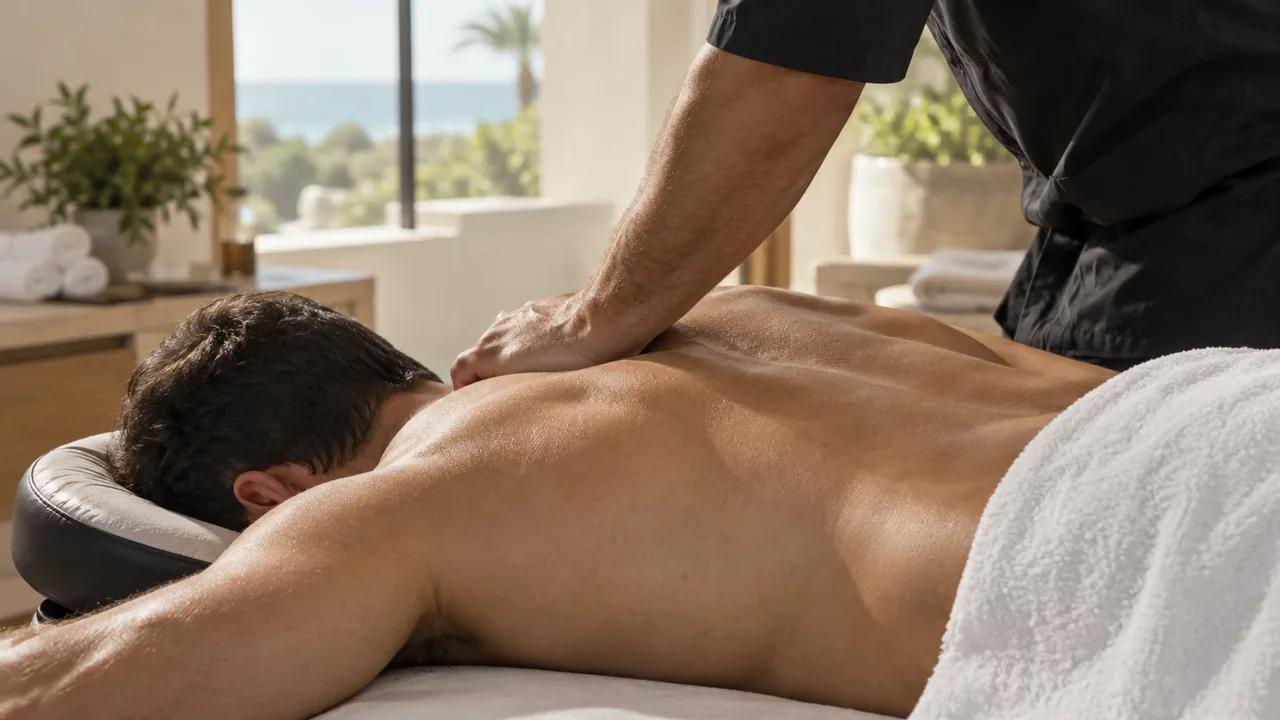
The three most requested massage styles use many of the same strokes. What separates them is the goal, the pressure and the area the therapist works on. Picking the right one comes down to what you want from the hour: to relax, to loosen a stubborn tight spot, or to recover from training.
What is the difference between Swedish, deep tissue and sports massage?
| Feature | Swedish | Deep tissue | Sports |
|---|---|---|---|
| Main goal | Relaxation and calming the nervous system | Releasing tightness in muscles and tendons | Preparing for or recovering from training and events |
| Pressure | Gentle touch | Firm, deep pressure | Varies: light before an event, deeper between sessions |
| Area | Typically the full body | Specific muscle groups | Muscles that take a beating in your sport or routine |
| Who it suits | People new to massage, anyone who wants to unwind | People with general muscle tightness or chronic muscle pain | Athletes and people who train regularly or do repetitive physical work |
| Afterward | Usually relaxed | More likely to feel sore | Depends on depth and timing |
The descriptions in the table follow Cleveland Clinic's guide to massage types and the American Massage Therapy Association (AMTA). The sections below give the detail and the evidence.
What is Swedish massage best for?
The National Center for Complementary and Integrative Health (NCCIH) calls Swedish or classical massage the most common form of massage therapy in Western countries and the core of most massage training programs. Cleveland Clinic describes it as the classic choice for relaxation: typically a full-body massage that uses a gentle touch, and a good pick for people new to massage. Its therapist adds that it can help calm the nervous system.
The basic strokes are the ones AMTA lists as integral to Swedish massage: effleurage (long, slow strokes that warm the muscles), petrissage (slow, rhythmic kneading) and tapotement (rapid, rhythmic tapping). Deep tissue and sports massage build on the same strokes with more pressure and a narrower target.
What is deep tissue massage best for?
Muscles can get tight from repeated use, including from sitting, driving or hunching over a laptop. In Cleveland Clinic's description, deep tissue massage gets into the muscles and tendons to release that tightness. It is suggested for people with injuries, general muscle tightness and chronic muscle pain.
The trade-off is soreness. Cleveland Clinic notes that feeling sore or tight is normal after a massage and usually lasts a few hours to about a day and a half, and that deep tissue work can cause more soreness because deeper pressure is applied to specific muscle groups.
What is sports massage best for?
Cleveland Clinic describes sports massage as similar to deep tissue massage, but focused on the muscles that take a beating when you play sports or do another repetitive physical activity. Timing is part of the method. AMTA defines pre-event massage as anywhere from 15 minutes to two or three hours before the start, with a focus on warm-up and without a lot of deep tissue work.
Sports massage has the most direct research of the three. A 2020 meta-analysis in BMJ Open Sport and Exercise Medicine covered 29 randomized studies with 1,012 participants. Massage was linked to small but statistically significant improvements: 7% in flexibility and 13% in soreness after exercise. It showed no evidence of improving strength, jump, sprint, endurance or fatigue.
Does massage style matter for pain relief?
The sources used here do not show that one of the three styles is better for pain. What NCCIH reports applies to massage in general: for low-back pain, several evaluations found only weak evidence that it may be helpful, and for neck or shoulder pain it may help, but the benefits may only last for a short time. Expect short-term relief from any of the three, not a permanent fix.
None of the three is a body sculpting massage. Body Sculpt sessions combine manual lymphatic drainage, G5 vibration massage and vacuum cupping. No massage style burns fat.
Which massage should you choose?
- Name your goalRelaxation points to Swedish. A specific tight area points to deep tissue. Soreness or stiffness tied to training points to sports massage.
- Match the pressure to your experienceIf you are new to massage, start with Swedish. You can ask for more pressure next time.
- Plan around trainingKeep deep work away from the hours before a race, game or heavy lifting session. Light, warming work is the pre-event standard.
- Tell the therapist your health historyMention past injuries, fractures, medications and medical conditions before the session so the techniques can be adjusted.
- Speak up during the sessionPressure that feels like plain pain, not relief, should be reduced. If intense soreness lasts longer than a couple of days, see a health care provider.
Questions people ask
Is deep tissue massage better than Swedish massage?
Not better, different. Swedish massage is gentle and aimed at relaxation. Deep tissue massage uses firm pressure on specific tight muscles and tendons. The right one depends on your goal and how much pressure you tolerate.
Is sports massage the same as deep tissue massage?
They are close. Cleveland Clinic describes sports massage as similar to deep tissue massage, but focused on the muscles stressed by your sport or repetitive activity. Sports massage is also timed around training and events.
Why am I sore after a deep tissue massage?
Cleveland Clinic says soreness after massage is normal and usually lasts a few hours to about a day and a half. Deep tissue work can cause more of it because deeper pressure is applied to specific muscle groups.
Which massage is best for a first-timer?
Swedish massage. Cleveland Clinic calls it a good pick for people new to massage because it uses a gentle touch over the whole body.
Which massage is best after a workout?
Sports massage is designed for it. A 2020 meta-analysis found that massage was associated with a 13% improvement in soreness after exercise and a 7% improvement in flexibility, with no direct effect on performance measures.
Sources
- Cleveland Clinic: Types of Massage Therapy to Try (2021)
- Cleveland Clinic: How To Relieve Muscle Soreness After a Massage
- NCCIH (NIH): Massage Therapy: What You Need To Know
- American Massage Therapy Association: Massage Therapy for Athletes (Massage Therapy Journal, 2020)
- Davis HL et al. Effect of sports massage on performance and recovery: a systematic review and meta-analysis. BMJ Open Sport and Exercise Medicine, 2020
This article is general information, not medical advice. Massage does not diagnose or treat any condition. If you have a health condition, ask your doctor whether massage is right for you.
 TechniquesDoes Massage Burn Fat? What the Research Actually Says
No. Massage does not burn fat. A plain review of the studies on massage, circumference, cellulite and fat thickness, and how strong they are.
6 min read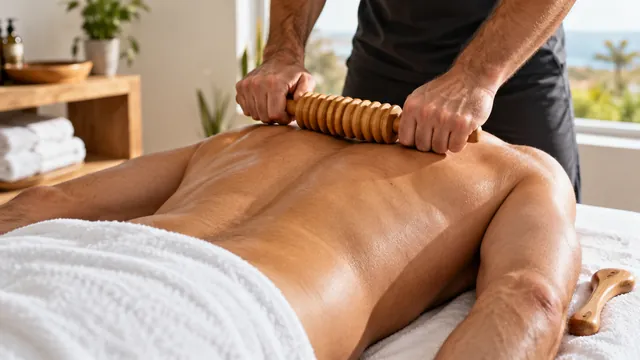 TechniquesDoes Wood Therapy (Maderotherapy) Work? The Evidence
Wood therapy is massage with wooden rollers and cups, sold for fat and cellulite. No clinical studies of it appear in PubMed. What related research shows.
5 min read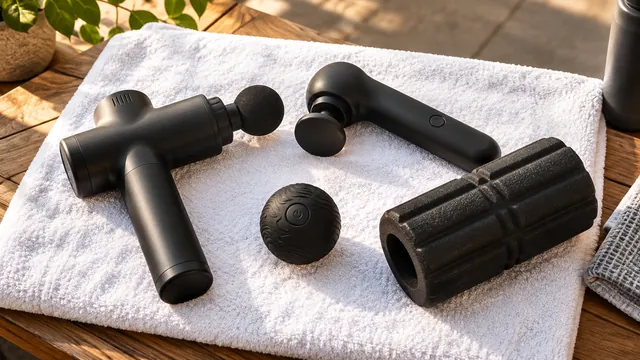 TechniquesTypes of Vibration Massage: Guns, G5, Whole-Body, Local
Massage guns, G5-type machines, whole-body vibration platforms and local vibration compared: how each works and what studies show for each.
5 min read