Body fat is stored as triglycerides inside fat cells. When you use more energy than you eat, hormones signal fat cells to release fatty acids into the blood (lipolysis). Muscles and other tissues burn them with oxygen for energy. What is left is carbon dioxide, which you breathe out, and water. Fat cells shrink, but they do not disappear.

Body fat is stored energy. It sits inside fat cells as triglycerides, molecules built from carbon, hydrogen and oxygen. Burning fat means taking those molecules apart and using the energy held in their bonds. The process has two stages, lipolysis and oxidation, and the end products are carbon dioxide and water.
This article walks through each stage in plain terms. It relies on a 2009 review of fat mobilization in Progress in Lipid Research, a 2004 review of fat oxidation in the journal Nutrition, a 2014 paper in the BMJ, a 2008 study in Nature and patient information from Cleveland Clinic.
What happens inside a fat cell when you burn fat?
The first stage is lipolysis. Enzymes called lipases split the stored triglycerides and release fatty acids into the blood. According to the 2009 review by Lafontan and Langin, three main lipases in the fat cell do this work, and the released fatty acids are used by other tissues during times of energy shortage.
Hormones set the pace. The review describes the best understood controls as two opposing signals. Insulin, the hormone that rises after you eat, holds lipolysis back. Catecholamines such as adrenaline speed it up. The review also notes that age, body site, sex and genes all affect how readily a given fat depot gives up its fat, which may be one reason people lose fat from different areas at different speeds.
Where is the fat actually burned?
Released fatty acids travel in the blood to tissues that need fuel, above all muscle. There they are oxidized: combined with oxygen to release energy. Cleveland Clinic explains that this energy powers everything from the heartbeat to movement, and that part of it becomes heat that keeps body temperature normal. Oxygen is required. In the clinic's words, you need oxygen to burn fat.
How much fat muscles burn depends on effort. The 2004 review in Nutrition found that fat oxidation rises from low to moderate exercise intensity and then falls when intensity becomes high. In a large sample of the general population, the peak came at 47 to 52 percent of maximal oxygen uptake, which is a steady, comfortable effort. In trained people it came at 59 to 64 percent. Eating carbohydrate in the hours before exercise lowered fat oxidation compared with exercising fasted.
That describes the fuel mix during a workout. It does not show that easy exercise removes more body fat over weeks. Fat stores shrink when the body uses more energy than it takes in. As Cleveland Clinic puts it, when you take in fewer calories than you burn, your body turns to its fat reserves for energy.
Where does the fat go when you lose it?
In 2014 Ruben Meerman and Andrew Brown of the University of New South Wales followed the atoms of a fat molecule through the body and published the result in the BMJ. Fat leaves mostly through the lungs.
| Fate of 10 kg (22 lb) of fat | Amount | How it leaves |
|---|---|---|
| Carbon dioxide | 8.4 kg (18.5 lb), 84 percent | Breathed out through the lungs |
| Water | 1.6 kg (3.5 lb), 16 percent | Urine, sweat, breath and other body fluids |
The authors calculated that fully oxidizing 10 kg of fat takes 29 kg of inhaled oxygen and produces 28 kg of carbon dioxide and 11 kg of water in total. The totals are larger than 10 kg because the inhaled oxygen is counted too. They also surveyed 150 doctors, dietitians and personal trainers, and more than half believed that fat is converted into energy or heat. The energy is released, but the atoms are not destroyed. They are rearranged and leave as gas and water.
This is why sweating harder does not mean more fat is leaving. Most of the mass exits as carbon dioxide, and only the small water share can leave through sweat, urine or breath.
Do fat cells disappear when you lose fat?
A 2008 study in Nature measured the turnover of fat cells in adults using carbon-14 dating. It found that the number of fat cells stays constant in adulthood in lean and obese people, even after marked weight loss. About 10 percent of fat cells are renewed each year. Fat loss, then, empties fat cells and makes them smaller. It does not remove them.
What does this mean if you want to lose belly fat?
The biology points to a short list of things that matter. None of them is specific to one body area.
- Create a moderate calorie deficitFat reserves are used when energy in is lower than energy out. Without that gap, release and storage of fat balance each other.
- Move at an effort you can repeatModerate intensity is where fat oxidation peaks in most people, and regular activity raises total energy use. Cleveland Clinic suggests 150 to 300 minutes of exercise a week.
- Keep your muscleCleveland Clinic advises staying physically active during weight loss to minimize muscle loss, and recommends including resistance training.
- Give it timeThe body gets rid of fat only as fast as cells use it for energy, so visible change takes weeks, not days.
Questions people ask
Does fat turn into energy or heat?
Not the fat itself. The energy stored in its chemical bonds is released, but the atoms remain. A 2014 BMJ paper showed they leave the body as carbon dioxide (84 percent of the mass) and water (16 percent).
Can you sweat out fat?
No. Only the small water share of burned fat can leave through sweat, along with urine and breath. Most of the mass leaves as carbon dioxide through the lungs.
Does the body burn more fat on an empty stomach?
During the workout, yes. A 2004 review found that carbohydrate eaten in the hours before exercise lowers fat oxidation compared with fasted exercise. The review reports fuel use during exercise, not long-term loss of body fat.
Do fat cells go away after weight loss?
No. A 2008 study in Nature found that the number of fat cells in adults stays constant even after marked weight loss. The cells get smaller as they give up stored fat.
Does massage burn fat?
No. Fat leaves the body only after cells oxidize it for energy, and that requires a calorie deficit. Pressure, vibration or suction on the skin does not empty fat cells.
Sources
- Meerman R, Brown AJ. When somebody loses weight, where does the fat go? BMJ, 2014
- Lafontan M, Langin D. Lipolysis and lipid mobilization in human adipose tissue. Progress in Lipid Research, 2009
- Achten J, Jeukendrup AE. Optimizing fat oxidation through exercise and diet. Nutrition, 2004
- Spalding KL et al. Dynamics of fat cell turnover in humans. Nature, 2008
- Cleveland Clinic. Where Does Fat Disappear to When You Lose Weight? 2025
This article is general information, not medical advice. Massage does not diagnose or treat any condition. If you have a health condition, ask your doctor whether massage is right for you.
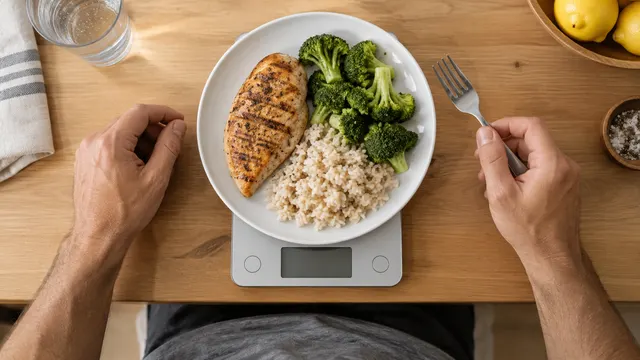 Fat lossCalorie Deficit for Men: What It Is and How Big It Should Be
A calorie deficit means eating fewer calories than you burn. How to estimate your needs, why 500 a day is the usual start, and why bigger is not better.
5 min read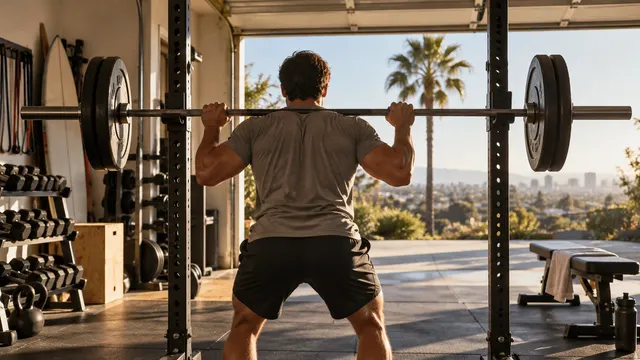 Fat lossCan You Lose Fat and Build Muscle at the Same Time?
Body recomposition is real but depends on where you start. Who manages it in studies, and the training, protein and deficit it takes.
5 min read Fat lossDo Poor Sleep and Stress Cause Belly Fat? What Studies Show
Short sleep makes people eat more and, in a small trial, added abdominal fat. The stress and cortisol link is plausible but less proven.
5 min read