Skip body sculpting massage if you have a blood clot or deep vein thrombosis, a fever, an infection or cellulitis. Cleveland Clinic also lists heart disease, kidney failure and stroke as reasons to avoid lymphatic drainage massage. Talk to your doctor first if you have cancer, recent surgery or injury, a bleeding disorder, osteoporosis, an implanted device, or take blood thinners. For healthy adults the risk is low.
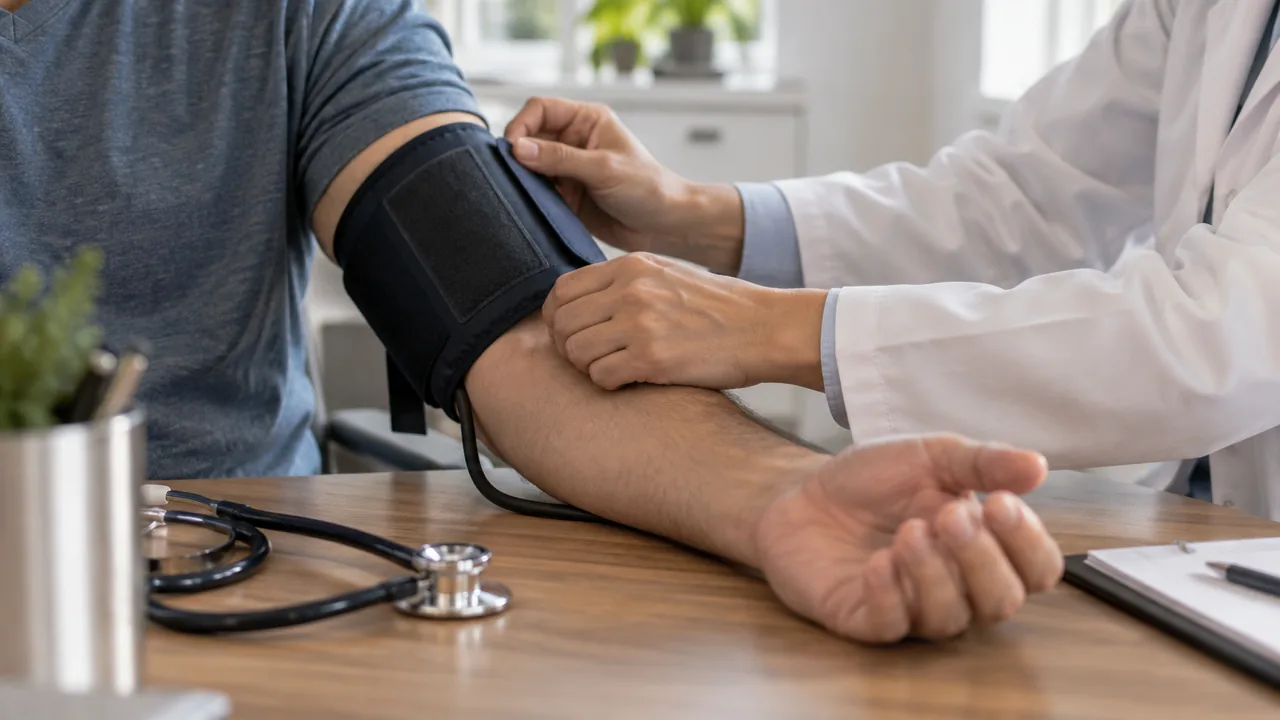
For a healthy adult, massage is low risk. The National Center for Complementary and Integrative Health (NCCIH) says the risk of harmful effects from massage therapy appears to be low, with rare reports of serious side effects such as a blood clot, nerve injury or bone fracture. The risk goes up with certain medical conditions. This list is built from Cleveland Clinic, NCCIH and CDC guidance. It is general information, not a medical assessment. A massage therapist cannot clear you medically. Only your doctor can.
Which conditions mean you should not get a massage right now?
Body sculpting massage combines manual lymphatic drainage, vibration massage and vacuum cupping. The sources used here publish cautions for massage in general, for lymphatic drainage and for cupping. None of them has a separate list for vibration massage, so as a general precaution apply the same cautions to it. Cleveland Clinic (2024) says to avoid lymphatic drainage massage if you have any of these:
- Blood clots or deep vein thrombosis (DVT).
- Fever.
- Infection, including cellulitis, a bacterial skin infection.
- Heart disease.
- Kidney failure.
- Stroke.
Blood clots, fever and infection are reasons to postpone, full stop. A fever or infection passes, and a session can wait until you are well. A known or suspected blood clot needs medical care, not massage. Heart disease, kidney failure and stroke are on the same avoid list. They are long-term conditions that do not pass in a week, so as a general precaution treat them as a no unless your own doctor approves massage and sets the limits.
When do you need a doctor's clearance first?
Cleveland Clinic's massage therapy service asks people to talk with their provider before treatment in several situations. Its cupping page has a separate list of conditions to avoid cupping with. The table combines them and names the list each line comes from.
| Situation | Why it matters | Source |
|---|---|---|
| You take blood thinners (anticoagulants) | They may cause bruising. | Cleveland Clinic, massage therapy |
| Blood clots in your leg, or clotting problems such as DVT | Part of a clot can break off and travel to the lungs, which can be life-threatening. | Cleveland Clinic, massage therapy and cupping; CDC |
| Tumors or cancer | Tumors are on the list of reasons to talk with your provider first. Providers do not do lymphatic drainage massage directly over cancerous tissue or skin damaged by radiation. Pressure may need to be lighter. | Cleveland Clinic; NCCIH |
| Acute injury, or surgery within the last 48 hours | Listed as a reason to check with your provider first. As a general precaution, after any recent operation ask your surgeon when massage is allowed. | Cleveland Clinic, massage therapy |
| Osteoporosis or a spine disorder | Higher risk of fractures. | Cleveland Clinic, massage therapy |
| A medical device implanted in or attached to your body, including a pacemaker | Listed as a reason to check with your provider first. A pacemaker is on the avoid list for cupping. | Cleveland Clinic, massage therapy and cupping |
| Heart or cardiovascular disease, kidney failure, stroke | Heart disease, kidney failure and stroke are on the avoid list for lymphatic drainage massage. Cardiovascular disease and a history of strokes are on the avoid list for cupping. | Cleveland Clinic, lymphatic drainage and cupping |
| Bleeding disorders like hemophilia, or anemia | Listed as reasons to avoid cupping. | Cleveland Clinic, cupping |
| Skin conditions such as eczema or psoriasis | Listed as reasons to avoid cupping. | Cleveland Clinic, cupping |
| Seizures (epilepsy) | Listed as a reason to avoid cupping. | Cleveland Clinic, cupping |
Where the source says to talk with your provider, the answer is not always no. The decision belongs to your doctor. Where the source says avoid, treat it as a no for that technique unless your doctor tells you otherwise. Ask a direct question: 'Is massage with light pressure, vibration and suction cups safe for me, and is there any area to avoid?' Then pass the answer to the therapist.
Is massage safe if you have or had cancer?
It can be, with precautions and your oncology team's approval. NCCIH says that with appropriate precautions, massage therapy can be part of supportive care for cancer patients who would like to try it, and that therapists may have to use less pressure than usual in areas that are sensitive because of cancer or cancer treatments. That guidance is about supportive care, not cosmetic massage. Cleveland Clinic's massage therapy service lists tumors among the reasons to talk with your provider first, and its lymphatic drainage page says providers will not do that massage directly over cancerous tissue or over skin damaged by radiation therapy. Talk to your oncology team before booking.
What are the warning signs of a blood clot?
A blood clot is the most dangerous item on these lists, so the signs are worth knowing. According to the CDC (2025), the most common signs of a deep vein clot in a leg or arm are:
- Swelling.
- Pain or tenderness.
- Warmth.
- Redness or discoloration of the skin.
The CDC also says about half of people with DVT have no symptoms at all. If you notice these signs, see your doctor as soon as possible and do not have the area massaged. Difficulty breathing, chest pain that gets worse with a deep breath or cough, coughing up blood, or a faster than normal or irregular heartbeat can mean a clot has reached the lungs. The CDC says to seek medical help immediately.
Is body sculpting massage safe for healthy men?
The available guidance says the risk is low. NCCIH notes that some of the rare serious reports involved vigorous types of massage, such as deep tissue massage, or people at increased risk of injury, such as the elderly. Cleveland Clinic says lymphatic massage is not dangerous in most cases and calls cupping a relatively low-risk therapy. The side effects it lists include fatigue, headaches or nausea after lymphatic massage, and bruising, soreness and round marks after cupping that should fade in a week or two. Massage does not remove fat or treat any disease, so there is no health reason to push through a session when you are unwell.
What should you tell the therapist before booking?
- List your conditionsHeart, kidney, blood, skin, bone, nerve conditions, diabetes, high blood pressure, cancer history, and anything you see a doctor for regularly.
- List your medicationsEspecially blood thinners, daily aspirin, steroids and pain medication.
- Mention recent eventsSurgery, injuries, infections, fever, long flights followed by leg pain, new lumps or unexplained swelling.
- Get clearance where neededIf anything in the table applies, talk to your doctor first and share the answer with the therapist.
- Update before every sessionHealth changes. A cold with fever, a new prescription or a fresh injury is a reason to reschedule or adjust.
Questions people ask
Can you get a massage with a blood clot?
No. Cleveland Clinic lists blood clots and deep vein thrombosis as reasons to avoid lymphatic drainage massage, and the CDC advises seeing a doctor as soon as possible if you have signs of a clot.
Can you get a massage if you take blood thinners?
Talk to your doctor first. Cleveland Clinic notes that blood thinners may cause bruising with massage, and bleeding disorders are on its list of reasons to avoid cupping.
Can you get a massage with a cold or fever?
Not with a fever or an active infection. Cleveland Clinic lists both as reasons to avoid lymphatic drainage massage. Reschedule for when you are well.
How soon after surgery can you get a massage?
Cleveland Clinic's massage therapy service asks people to talk with their provider if they have had surgery within the last 48 hours. As a general precaution, after any recent operation ask your surgeon when massage is allowed.
Can you get a massage with high blood pressure or diabetes?
These conditions are not on the avoid lists above, but they are chronic conditions that a therapist needs to know about. As a general precaution, ask your doctor first, especially if the condition is not well controlled or you also have heart or kidney disease.
Does a massage therapist decide if massage is safe for you?
No. A therapist asks health questions and adapts or declines the session, but does not diagnose or give medical clearance. That decision belongs to your doctor.
Sources
This article is general information, not medical advice. Massage does not diagnose or treat any condition. If you have a health condition, ask your doctor whether massage is right for you.
 Your sessionAre Cupping Marks and Bruising Normal? How Long They Last
Why vacuum cupping leaves round marks, how long they last according to Cleveland Clinic and Harvard, who bruises more, and when to call a doctor.
5 min read Your sessionDoes Massage Help Recovery After a Workout? The Evidence
Meta-analyses show massage after exercise reduces muscle soreness and fatigue. It does not improve strength, speed or endurance. Here is the data.
5 min read Your sessionFirst Body Sculpting Massage: What to Expect Step by Step
A first body sculpting massage step by step: health questions, lymphatic drainage, vibration, cupping, how each feels, and what is normal after.
5 min read